Source Euro Emission Heavy Truck for Mining, Construction, Logistics
Find 30 euro emission heavy truck units with varying horsepower and configurations. Compare diesel models from 351 to 540 hp, including HOWO-Tx and SITRAK C7H/G7 options with Euro 3 to Euro 5 standards for diverse industrial needs.
Key considerations
Products List


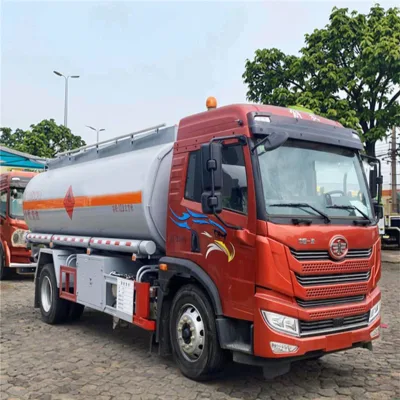


Powerful Heavy Trucks with Superior Design for Tough Transportation Needs
$55000.00 - $65000.00
Moq: 1


Comprehensive Sourcing Guide
Strategic Sourcing Guide for Euro Emission Heavy Trucks
Understanding the Technical Landscape of Heavy-Duty Euro Trucks
When sourcing heavy-duty trucks compliant with Euro emission standards, buyers must first navigate a complex matrix of technical specifications that define vehicle performance and utility. The market currently presents a diverse array of configurations, ranging from used units to brand-new models, each tailored to specific operational demands. A critical observation in the current supply landscape is the variation in horsepower ratings. Available units frequently list power outputs in the 351-450hp range, with specific models offering higher tiers such as 400, 430, 440, 460, 480, and even 540hp. This variance indicates that a single "Euro emission" label does not guarantee a uniform power profile; instead, buyers must align the engine capacity with their specific load requirements.
Engine displacement is another pivotal technical factor. The data indicates that many heavy-duty units in this category possess an engine capacity exceeding 8 liters. This large displacement is typically necessary to meet the torque requirements of heavy hauling while adhering to emission regulations. The fuel type is predominantly diesel, which remains the standard for heavy commercial transport due to its energy density and durability. However, the transmission type varies significantly across listings. Some units are equipped with manual transmissions, offering a traditional driving experience often preferred for heavy load control, while others feature automatic transmissions, which can enhance driver comfort and operational efficiency in stop-and-go environments.
The physical configuration of the truck is equally important. Axle configurations are observed in both 6×4 and 8×4 setups, influencing the vehicle's load distribution and stability. The drive wheel arrangement directly correlates with the dumping type and lifting style, with front lifting mechanisms being a common feature in dump truck variants. Furthermore, the curb weight and gross weight capacities vary by model. For instance, certain models list a curb weight of approximately 8,800 kg with a gross weight of 40,000 kg, while others show a curb weight of 14,900 kg and a gross weight of 35,000 kg. These figures are not merely statistics; they dictate the legal payload capacity and the infrastructure required for loading and unloading.
Compliance Verification and Certification Standards
Navigating the regulatory environment for Euro emission heavy trucks requires rigorous verification of compliance documents. The term "Euro emission" encompasses a spectrum of standards, and the specific version dictates the vehicle's eligibility for operation in different jurisdictions. In the observed market data, specific listings reference Euro 3 and Euro 5 emission standards. This discrepancy highlights a critical risk: a truck labeled generally as "Euro" may not meet the specific regulatory requirements of the buyer's destination country. For example, Euro 5 represents a stricter set of limits on nitrogen oxides and particulate matter compared to Euro 3. Buyers must explicitly verify which standard a specific unit meets before finalizing a purchase, as importing a vehicle with an outdated emission standard can result in legal penalties or operational bans.
Beyond emission standards, tire certifications play a vital role in international compliance. The supply data indicates that tires on these vehicles often carry certifications such as ECE (Economic Commission for Europe), GCC (Gulf Cooperation Council), ISO (International Organization for Standardization), and DOT (Department of Transportation). The presence of these certifications suggests that the tires are designed to meet specific regional safety and performance criteria. However, the mere presence of a certification label on a listing does not guarantee that the specific batch of tires installed on a used truck is valid or up to date. Buyers should request physical certification documents or inspection reports to confirm that the tire specifications match the required standards for their intended market.
Additionally, the production standards and origin of the vehicle are essential for compliance. Many units originate from Shandong, China, a major hub for heavy truck manufacturing. The production standards listed often reference specific gross weight limits, such as 35,000 kg or 40,000 kg, and material specifications like stainless steel for certain body components. These details are crucial for ensuring that the vehicle's construction meets the safety and durability expectations of the buyer's local regulations. For instance, a truck built to a 40,000 kg gross weight standard may not be legally permissible in a region where the limit is strictly 35,000 kg. Therefore, the verification process must extend beyond the engine to include the chassis, body, and axle specifications.
Cost Drivers and Financial Considerations in Procurement
The financial landscape of sourcing heavy-duty trucks is influenced by several dynamic factors, with the primary driver being the condition of the vehicle. The market data reveals a clear distinction between "New" and "Used" units. New units, often featuring automatic transmissions and modern emission standards like Euro 5, command a higher price point. In contrast, used units, which may have manual transmissions and older emission standards like Euro 3, are available at a lower cost. The observed price range for these vehicles spans from $5,000 to $65,000 USD. This wide range underscores the importance of defining the specific needs of the operation before budgeting. A buyer seeking a high-horsepower, Euro 5 compliant new truck will face significantly different financial constraints compared to one sourcing a used, Euro 3 compliant unit for short-haul operations.
Beyond the initial purchase price, the cost of ownership is heavily influenced by the vehicle's specifications and configuration. Models with higher horsepower ratings (e.g., 540hp) and larger engine capacities (>8L) generally incur higher fuel costs and maintenance expenses. The choice of transmission also impacts long-term costs; automatic transmissions may offer better fuel efficiency in certain driving conditions but can be more expensive to repair than manual units. Furthermore, the loading capacity and gross weight of the truck affect the potential revenue generation. A truck with a 12-ton loading capacity or a 31-40 ton gross weight capacity can generate more revenue per trip than a smaller unit, justifying a higher initial investment if the operational volume supports it.
The packaging and shipping logistics also contribute to the total cost. The data indicates that vehicles are shipped via bulk cargo, container, flatbed, or roll-on/roll-off methods. The choice of shipping method depends on the dimensions of the truck and the destination. For example, a truck with a standard size of 7,600 x 2,500 x 1,500 mm might fit in a container, while larger models may require flatbed or bulk shipping. These logistical choices can add significant costs to the procurement process, especially for international buyers. Additionally, the availability of after-sales services, such as onsite installation and field maintenance, can reduce long-term operational costs by minimizing downtime. Buyers should factor in the cost of these services when evaluating the total value proposition of a supplier.
Typical Applications and Operational Suitability
Heavy-duty Euro emission trucks are designed for a wide range of applications, from heavy construction hauling to long-haul logistics. The specific configuration of the truck determines its suitability for these tasks. For instance, dump trucks with front lifting styles and 8×4 drive wheels are ideal for construction sites where heavy materials like sand, gravel, and demolition debris need to be transported and unloaded quickly. The full unloading time of 20 minutes for certain models indicates a high level of efficiency, which is critical in time-sensitive construction projects. These vehicles often feature a closed body type, ensuring that the cargo is protected from the elements and preventing spillage on public roads.
In contrast, trucks with a 6×4 configuration and manual transmissions are often preferred for long-distance hauling on highways. The larger engine capacity (>8L) and high horsepower ratings (up to 540hp) provide the necessary power to maintain speed while carrying heavy loads over long distances. The gross weight capacity of these vehicles, ranging from 35 to 40 tons, allows them to maximize payload without exceeding legal limits. The availability of customizable axle configurations further enhances their versatility, allowing operators to tailor the vehicle to specific route conditions and load requirements.
The choice of tires also influences the operational suitability of the truck. Tubeless tires, which are common in the observed listings, offer advantages in terms of safety and maintenance. They are less prone to sudden deflation and are easier to repair, making them suitable for long-haul operations where reliability is paramount. However, for off-road or construction applications, the durability and traction of the tires must be carefully evaluated. The presence of certifications like ECE and GCC suggests that these tires are designed to perform well in various environments, but buyers should still assess the specific tread patterns and rubber compounds to ensure they match the intended operating conditions.
Supplier Evaluation and Quality Assurance Protocols
Evaluating suppliers for heavy-duty Euro emission trucks requires a systematic approach to ensure quality and reliability. The first step is to verify the supplier's origin and reputation. Many units in the market originate from Shandong, China, a region known for its heavy truck manufacturing capabilities. However, the presence of a supplier in this region does not automatically guarantee quality. Buyers should request detailed information about the supplier's manufacturing processes, quality control measures, and after-sales support. The availability of services such as onsite installation and field maintenance is a strong indicator of a supplier's commitment to customer satisfaction.
Quality assurance should also extend to the physical inspection of the vehicle. For used trucks, a thorough inspection is essential to assess the condition of the engine, transmission, and chassis. Buyers should look for signs of wear and tear, such as rust, leaks, or excessive mileage, which could indicate potential future maintenance issues. For new trucks, buyers should verify that the vehicle meets the specified production standards and that all components are genuine and of high quality. The use of materials like stainless steel for body components can enhance durability, but buyers should confirm that these materials are used consistently throughout the vehicle.
Certification verification is another critical aspect of supplier evaluation. Buyers should request copies of all relevant certifications, including emission standards, tire certifications, and production standards. These documents should be cross-referenced with the vehicle's specifications to ensure consistency. Any discrepancies between the listed specifications and the actual vehicle should be investigated before finalizing the purchase. Additionally, buyers should inquire about the supplier's track record in delivering vehicles that meet the required standards. A supplier with a history of successful deliveries and satisfied customers is more likely to provide a reliable product.
Long-Term Procurement and Lifecycle Management
Sourcing heavy-duty Euro emission trucks is not just a one-time transaction; it is a long-term investment that requires careful lifecycle management. The initial purchase price is only one component of the total cost of ownership. Buyers must consider the long-term costs associated with fuel, maintenance, repairs, and regulatory compliance. As emission standards become increasingly stringent, the risk of vehicles becoming obsolete or non-compliant increases. Therefore, buyers should prioritize vehicles that are likely to remain compliant with future regulations.
Maintenance and repair are ongoing costs that can significantly impact the profitability of the operation. The availability of spare parts and the expertise of local service providers are crucial factors in managing these costs. Buyers should assess the supplier's after-sales support network to ensure that they can provide timely and effective maintenance services. The presence of features like customizable axles and mechanical suspensions can also influence the ease of maintenance and the availability of replacement parts.
Finally, buyers should consider the resale value of the vehicle. Trucks that are well-maintained and compliant with current emission standards tend to retain their value better than those that are not. By selecting a vehicle with a strong track record of reliability and compliance, buyers can maximize their return on investment when it comes time to upgrade or replace the fleet. The long-term success of a heavy truck procurement strategy depends on a holistic approach that balances initial costs with long-term operational efficiency and regulatory compliance.
Comparative Analysis of Key Truck Specifications
To assist buyers in making informed decisions, the following table summarizes the key specifications observed in the market for Euro emission heavy trucks. This comparison highlights the variations in horsepower, weight, and transmission types that are critical for selecting the right vehicle for specific operational needs.
| Specification Category | Model A (HOWO-Tx) | Model B (SITRAK C7H/G7) | Model C (RY Series) |
|---|---|---|---|
| Condition | Used | New | New |
| Emission Standard | Euro 5 | Euro 3 | Not Specified |
| Horsepower (HP) | 400/430/440/460 | 400/430/440/460/480/540 | Not Specified |
| Engine Capacity | >8L | >8L | Not Specified |
| Transmission Type | Manual | Automatic | Automatic |
| Drive Wheel | 8×4 | 6×4 | Not Specified |
| Gross Weight | 35,000 kg | 40,000 kg | 8,900 kg |
| Curb Weight | 14,900 kg | 8,800 kg | Not Specified |
| Tires | 12 PCS 12r22.5 | 12r22.5 | Not Specified |
| Loading Capacity | 31-40t | 12 Tons | Not Specified |
| Origin | Shandong | Shandong | China |
This table illustrates the diversity in the market, showing that no single model fits all needs. Buyers must carefully weigh the trade-offs between power, weight, and compliance to select the most suitable vehicle for their specific requirements.
FAQs
What emission standards are available for these trucks?
Available units comply with Euro 3 and Euro 5 emission standards. Buyers must verify the specific standard for each listing to ensure regional compliance, as Euro 5 offers stricter limits than Euro 3.
Which horsepower ratings can I expect from these models?
Horsepower ratings typically range from 351 to 450hp, with specific models offering 400, 430, 440, 460, 480, and 540hp. Select the engine capacity based on your specific load requirements and operational demands.
Can I find trucks with automatic transmission options?
Yes, automatic transmission options are available alongside manual units. Automatic models often feature newer conditions and higher horsepower, while manual transmissions are common in used units with lower price points.
What is the typical gross weight capacity for these trucks?
Gross weight capacities vary by model, with common ratings of 35,000kg and 40,000kg. Some listings also indicate a gross vehicle weight of 8,900kg for smaller configurations, so verify the specific limit.
Are these trucks available in new condition?
New condition trucks are available, often featuring automatic transmissions and Euro 5 standards. Used units are also listed, typically with manual transmissions and older emission standards like Euro 3.
What tire certifications are included with these vehicles?
Tires often carry ECE, GCC, ISO, and DOT certifications to meet regional safety criteria. Buyers should request physical certification documents to confirm the specific batch matches their market requirements.
How does the price range vary for these heavy trucks?
Prices range from 5,000 to 65,000 USD depending on condition and specifications. Newer models with higher horsepower and automatic transmissions command higher prices compared to used units with manual transmissions.